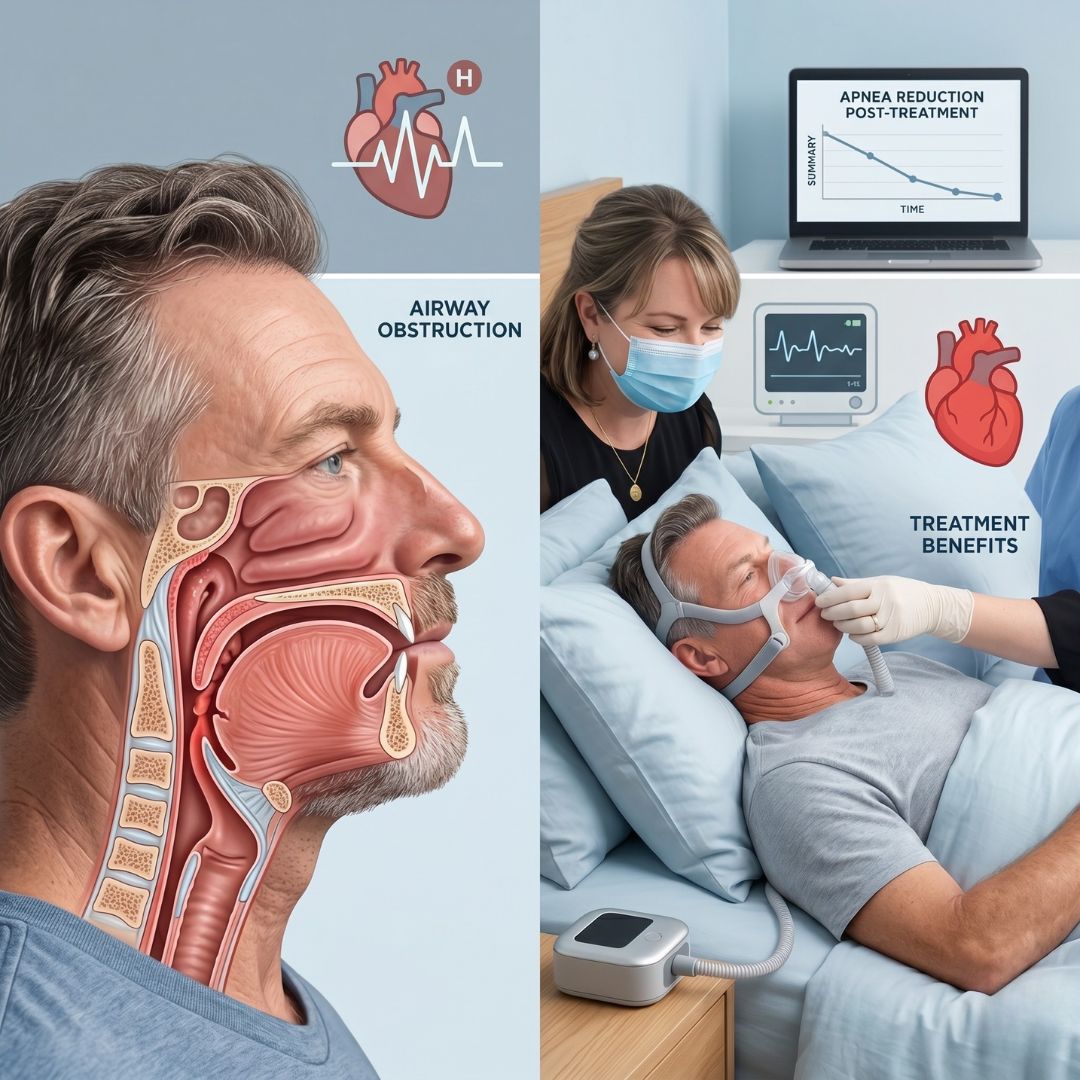
Airway, Sleep & Snoring
Airway, Sleep & Snoring
Breathing and sleep are the very foundation of how we recharge, yet they are easily disrupted. This page explores the vital connection between the way we breathe, the quality of our sleep, and why snoring is often a sign that our airway needs a helping hand.
Surprisingly, dentistry plays a massive role here. Beyond just checking teeth, modern dental care focuses heavily on the structure of the mouth and jaw—the literal gateway to your airway. When the airway is constricted during sleep, it triggers snoring and robs the body of deep, restorative rest. By looking at sleep health through a dental lens, we can open up new, non-invasive ways to help you breathe easier, quiet the snoring, and finally get the high-quality sleep you deserve.
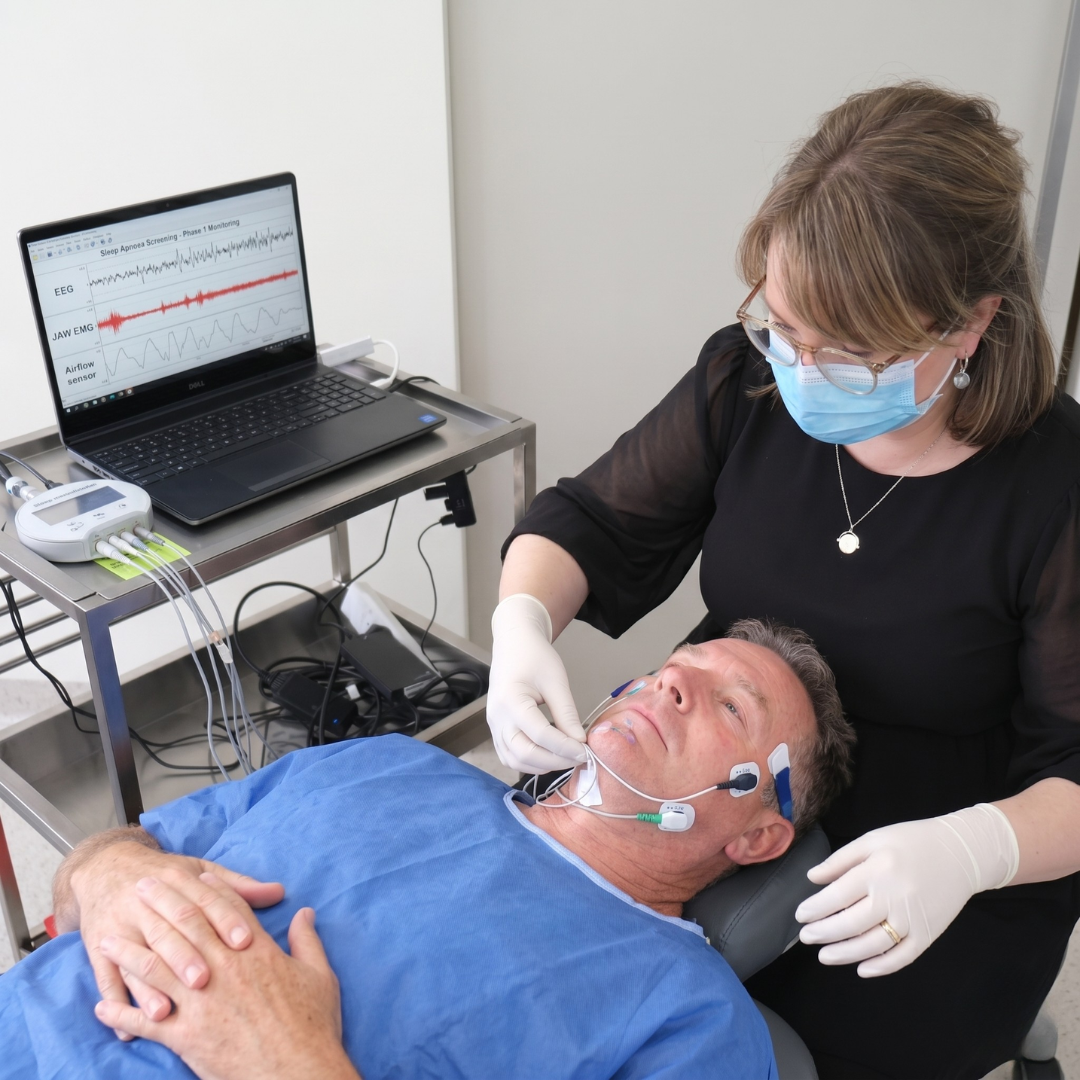
Why Airway Health Matters — and What Dentistry Has to Do With It
When we think about dental checkups, we usually think about cavities, gum health, and bright smiles. But the mouth isn’t an island—it is the literal front door to your respiratory system. Because dentists spend their time looking closely at the structure of your mouth, they are often in a unique position to notice early, subtle signs that your airway might be struggling during the night.
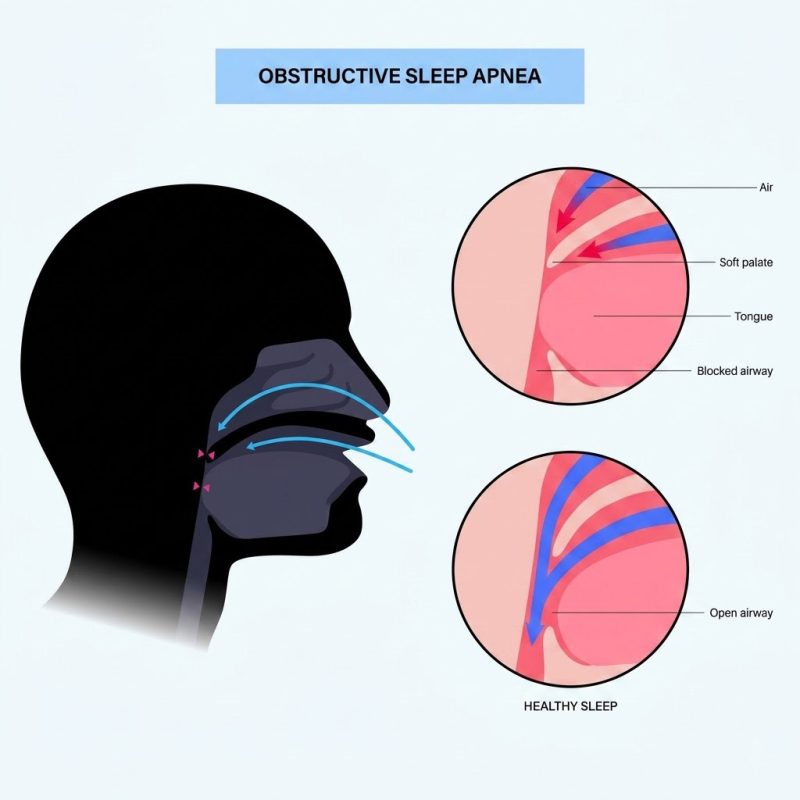
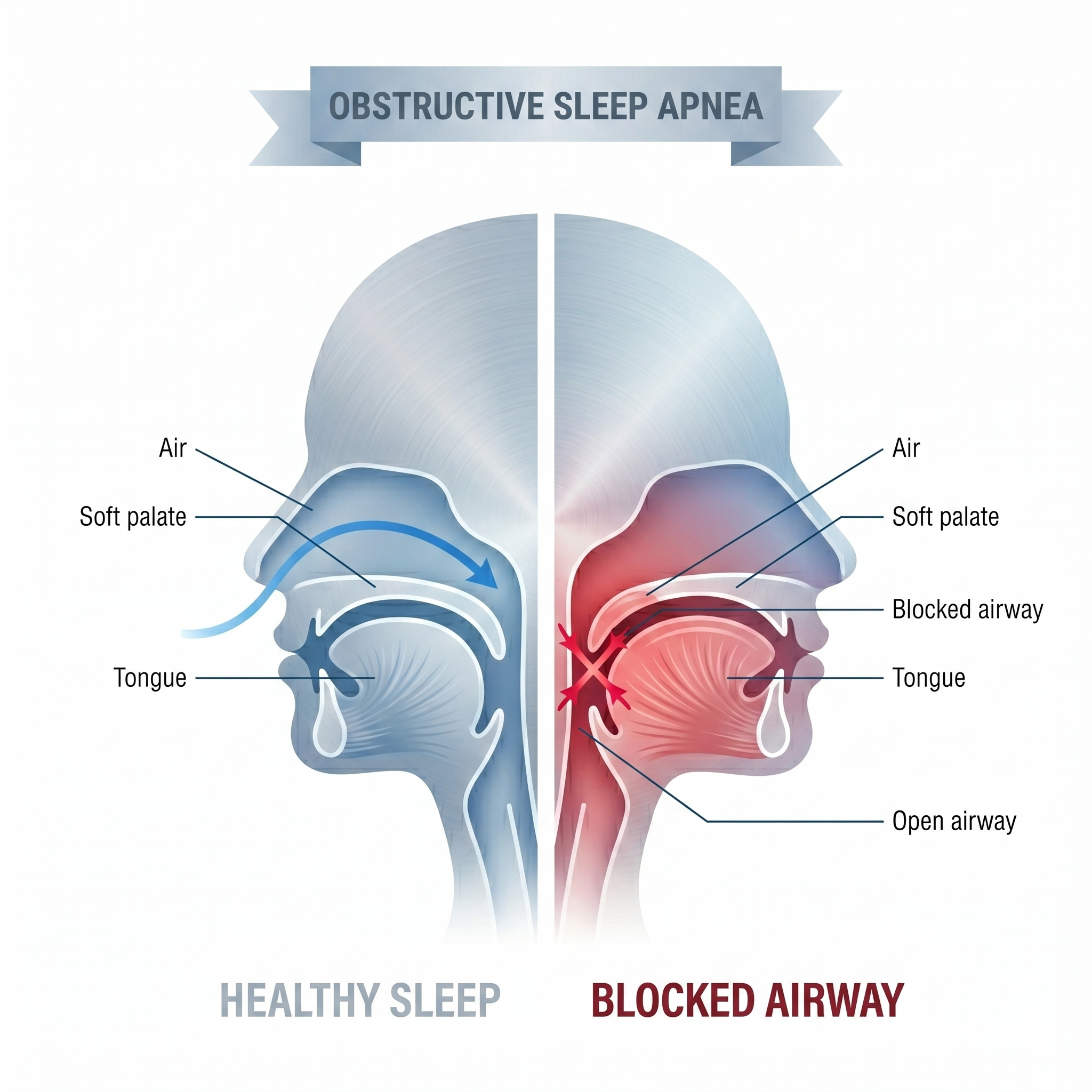
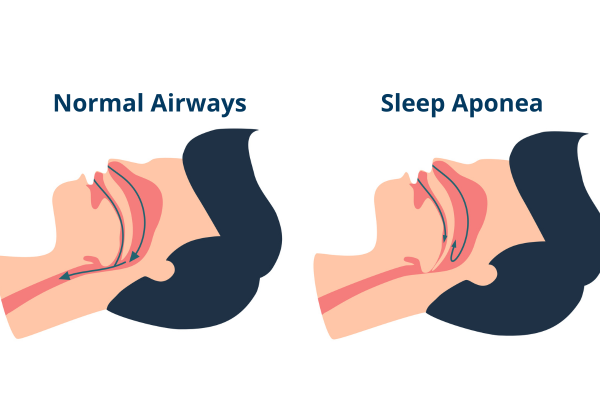
When you lie down to sleep, the muscles in your throat relax. If the space in the back of your mouth is crowded, gravity can pull the tongue and soft palate backward, partially blocking the flow of oxygen. This restriction creates the turbulent vibrations we hear as snoring, and in more severe cases, it can lead to frequent nighttime awakenings.
What Your Mouth Can Tell Us About Your Sleep
During a routine wellness exam, a trained eye looks beyond the teeth to see how the entire oral ecosystem behaves. Here are a few structural and visual clues that often point to an underlying breathing pattern issue:
-
The Shape of the Palate: A narrow, high-arched roof of the mouth can reduce the space available in the nasal cavity directly above it, making nasal breathing more difficult and encouraging mouth breathing.
-
Tongue Space and Position: A tongue that looks too large for the lower jaw, or has scalloped edges (imprints from pressing against the teeth), often struggles to find a resting spot and falls backward into the throat when you lie down.
-
Signs of Unconscious Stress: Teeth that show unusual wear, flattening, or micro-fractures frequently point to nocturnal grinding or clenching. Often, the body subconsciously grinds the teeth together in an effort to advance the lower jaw and reopen a collapsing airway.
-
The “Crowded” Throat: If the soft palate sits low or the tonsils are naturally large, the physical space left for air to pass through becomes much narrower, increasing the likelihood of snoring.
Sleep-Disordered Breathing Exists on a Spectrum
When people think about nighttime breathing issues, they often jump straight to the most extreme scenario: severe sleep apnea, where someone stops breathing entirely dozens of times an hour. But sleep-disordered breathing doesn’t just appear out of nowhere. It exists on a broad, progressive spectrum.
Understanding this spectrum helps show why even “just a little snoring” is worth paying attention to. It isn’t always a standalone quirk; it is often the first sign of a restricted airway working too hard.
The Nighttime Breathing Spectrum
-
Snoring: The baseline indicator of airway resistance. Snoring happens when the tissues in the throat relax enough to vibrate as air forces its way past. While some “primary snoring” may not disrupt your health, it tells us that the airway is partially restricted.
-
Upper Airway Resistance Syndrome (UARS): A frequently overlooked stage. In UARS, the airway narrows significantly, requiring a massive physical effort to draw air into the lungs. While it may not cause you to completely stop breathing, the sheer physical exertion constantly jolts your brain out of deep sleep, leaving you exhausted during the day.
-
Mild Sleep Apnea: At this stage, the airway doesn’t just narrow—it momentarily collapses. Breathing drops or pauses entirely between 5 to 15 times per hour, causing brief drops in blood oxygen levels and minor sleep fragmentation.
-
Moderate Sleep Apnea: The collapses become more frequent, occurring 15 to 30 times an hour. This places a measurable strain on the cardiovascular system and causes noticeable daytime fatigue, brain fog, and morning headaches.
-
Severe Sleep Apnea: The far end of the spectrum, where breathing drops or stops more than 30 times every single hour. The body is in a near-constant state of nighttime survival mode, drastically increasing long-term health risks.
Signs You May Have Sleep Apnoea
-
Loud or chronic snoring
-
Gasping, choking, or pauses in breathing during sleep
-
Waking frequently during the night
-
Morning headaches
-
Daytime fatigue or sleepiness
-
Difficulty concentrating or mood changes
If you experience any of these symptoms, a proper assessment is important.
Why Choose Corner 32 Dental for Sleep Apnoea Treatment?
At Corner 32 Dental, we provide personalised and modern solutions to help manage Sleep Apnoea and improve your overall wellbeing.
✔ Experienced Team
Our clinicians are trained to assess airway health and identify signs of sleep-disordered breathing during routine dental visits.
✔ Advanced Technology
We utilise digital scanners and modern diagnostic tools to evaluate your airway and create precise, custom-fitted appliances.
✔ Comfortable, Patient-Focused Care
We prioritise comfort and provide tailored solutions designed for long-term results and better sleep quality.
✔ Convenient & Supportive
Our team supports you throughout your treatment journey—from screening to ongoing care and adjustments.
✔ Family-Friendly Approach
We care for patients of all ages, including children who may show early signs of sleep-related breathing issues.